Kerala is often cited as a benchmark for literacy in India.
Yet while working with older students in government-funded schools, we began noticing gaps in basic reading skills we hadn’t expected.
That insight led us to pilot the Begin literacy programme in three schools.
After six months of classroom implementation, we conducted a mid-year evaluation to review student performance and learning progress.
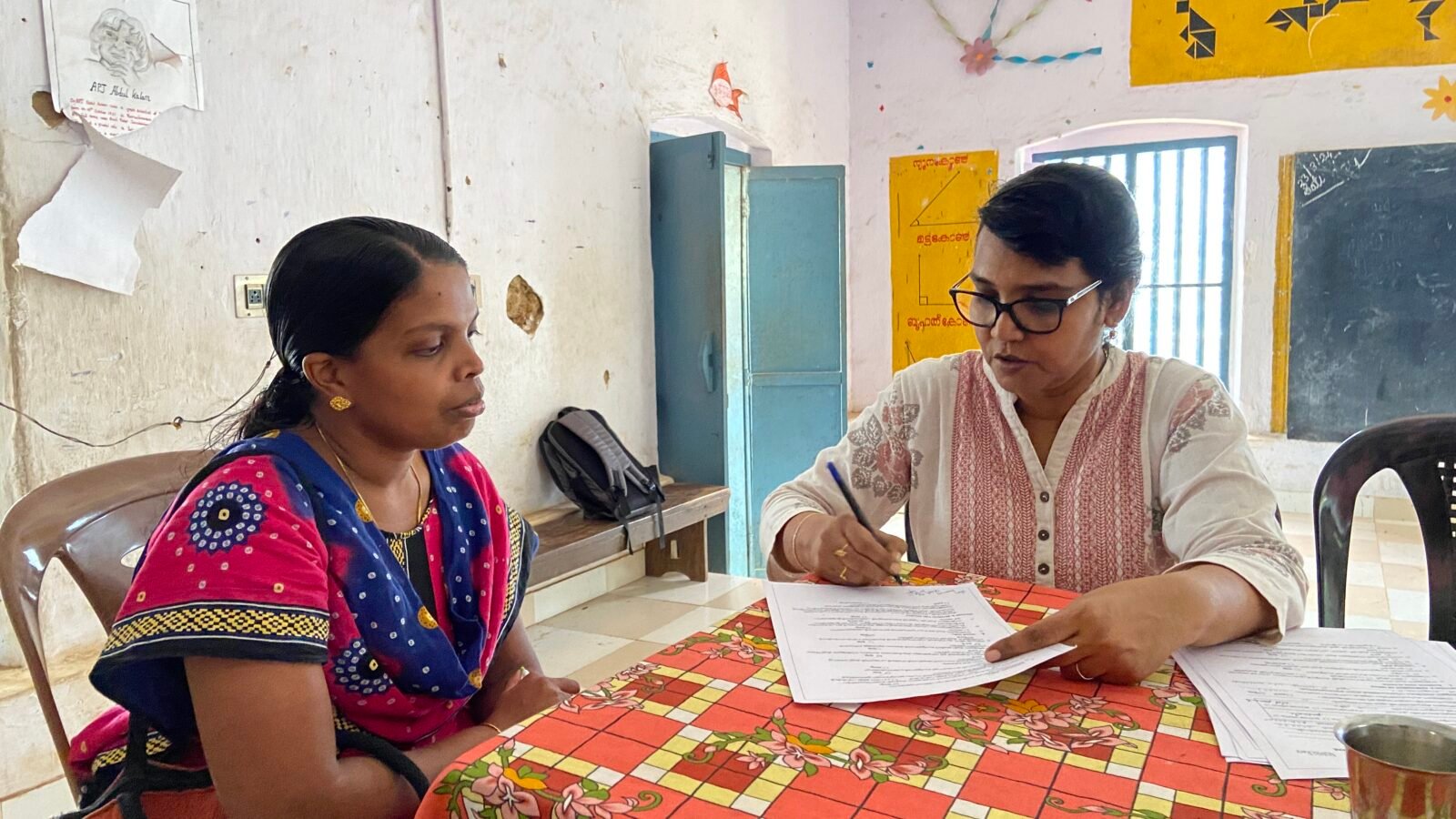
And last week, we returned to the schools for parent one-on-one conversations, this time with each child’s evaluated answer scripts and reading scores in hand.
What emerged was revealing.
With the answer scripts and reading scores in front of them, many parents were seeing their child’s progress clearly for the first time.
They had simply not been aware of the gains their children were already making.
Of course, the scripts made that progress visible.
Children were decoding unfamiliar words, using phonics, and reading with growing confidence.
However, what parents did recognise was the routine itself.
Many said:
“Even if my child avoids other homework, they want to do Begin English.”
That distinction stayed with us.
Parents were aware of the effort at home, but not of the learning taking shape beneath it.
As these conversations continued, another pattern became visible.
Many children are managing their study time largely on their own, with limited adult presence.
It highlighted a gap in awareness about the role simple adult presence can play during a child’s study time.
Our conversations with teachers added another dimension.
They spoke about what they are seeing in the classroom.
“They’re not guessing anymore. They try to sound out new words on their own, and they’re less afraid of getting it wrong.”
Taken together, these conversations brought one thing into focus.
Foundational learning happens across spaces, some visible, some not.
And if you believe early literacy is a high-impact investment in a child’s learning, we’d welcome a conversation.
Because meaningful change begins with understanding.
