That is the thought I couldn't shake after reviewing the pre-intervention literacy assessments of children before they began our BEGIN programme.
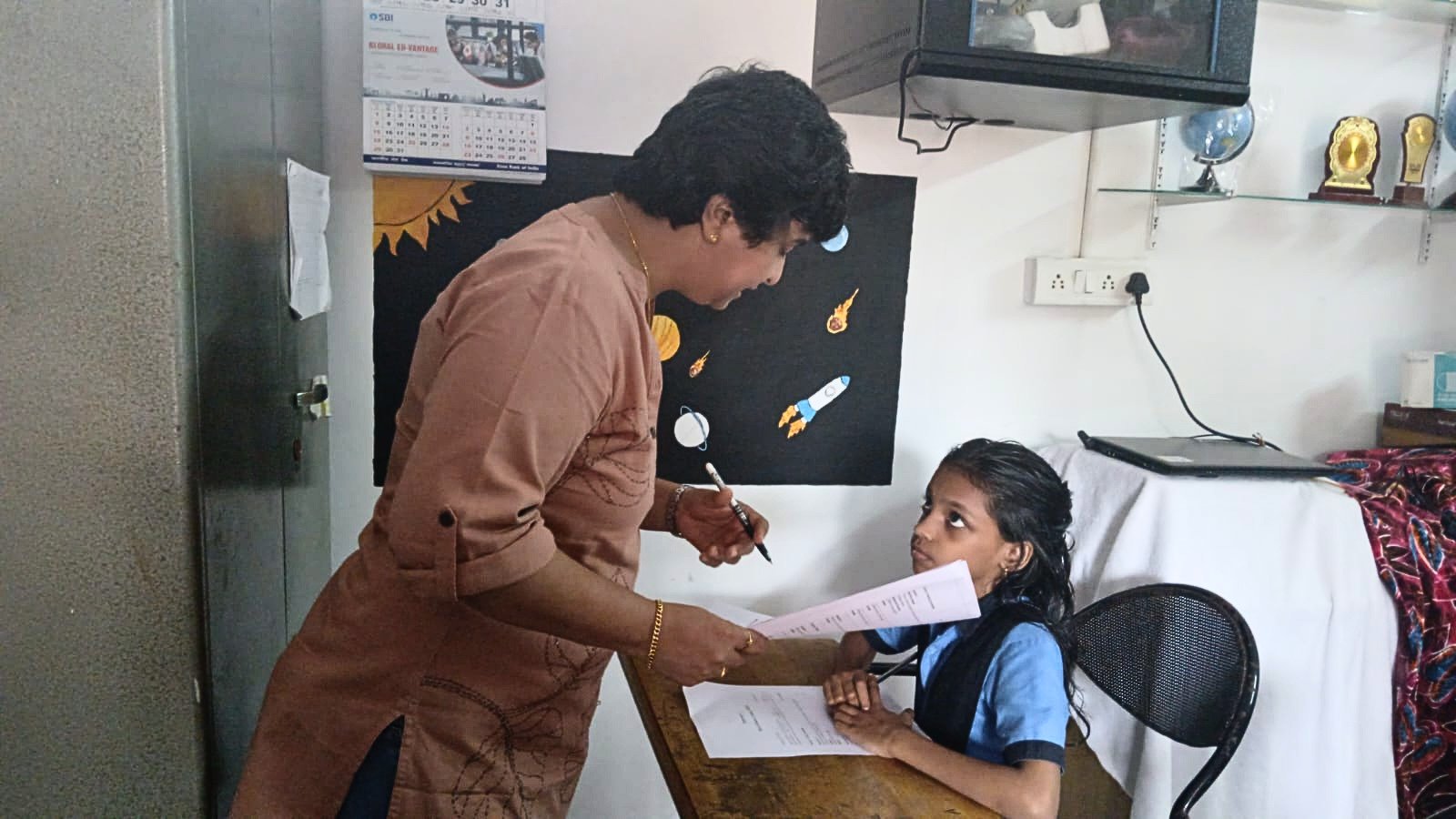
During the assessments, our team sat one-on-one with every child.
As the assessments progressed, we began noticing something we couldn't quite explain.
When children came to the word "Pencil," many confidently read it as "Peacock."
It wasn't an isolated mistake.
We saw the same response repeated across children and across schools.
The same pattern appeared in different ways throughout the assessments.
Children who guessed familiar words found it difficult to answer simple questions after listening to a short story.
Others struggled to read even a simple sentence independently.
And when asked to write one sentence about their favourite activity, many did not know where to begin.
By then, the assessment was no longer telling us only about literacy.
It was revealing the barriers children face in accessing learning itself.
How does a child learn Maths, Science, or any other subject if they cannot yet read and understand the language through which those subjects are taught?
But the question that stayed with me wasn't about literacy.
It was about learning.
Foundational literacy is not simply another educational goal.
It is access.
Access to understanding.
Access to participation.
Access to confidence.
Access to every opportunity to learn.
Because children cannot learn from what they cannot access.
